
by VIN, Year, Make, Model by License Plate

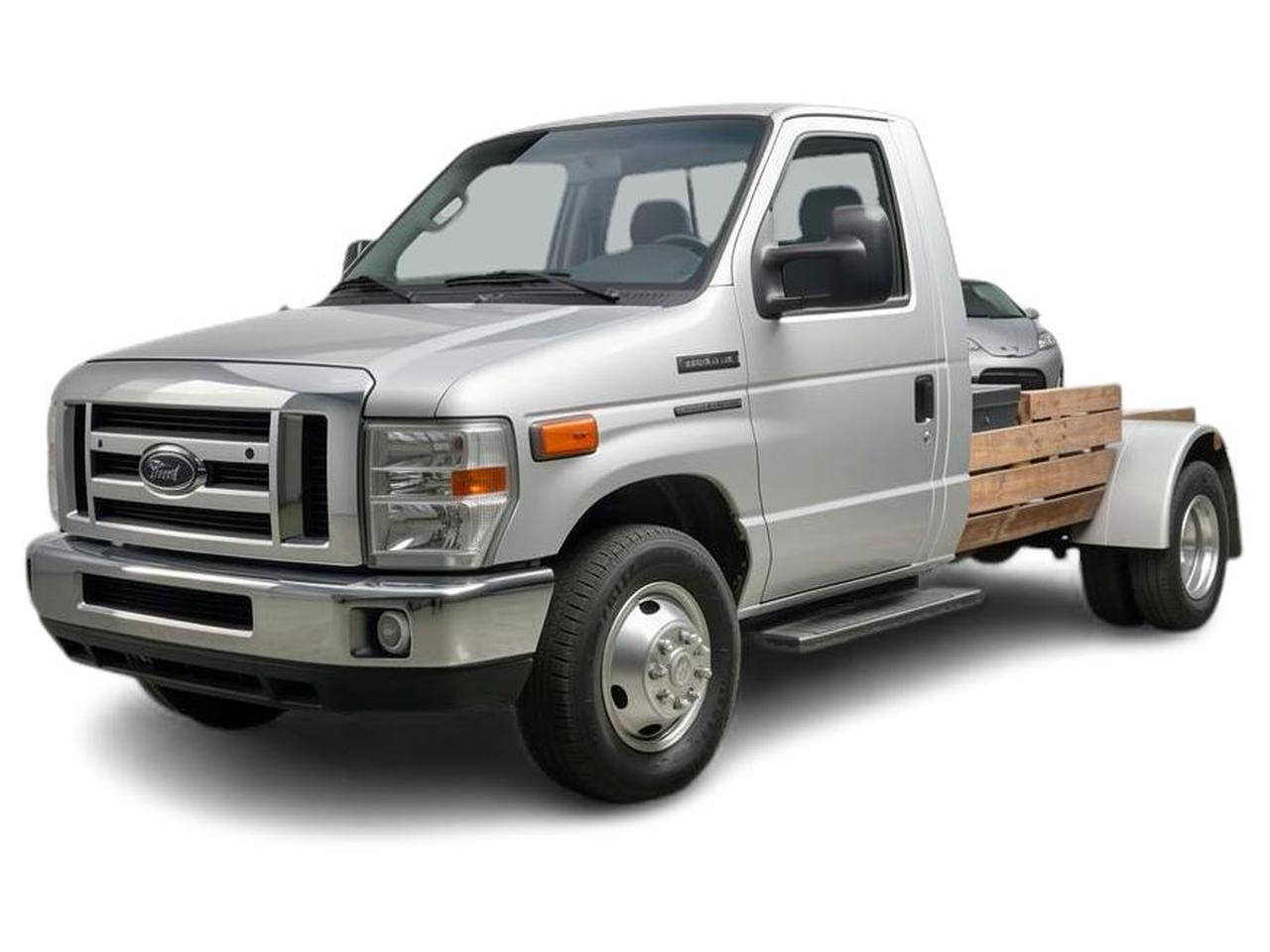
2009 Ford E-350 Overview, Reviews, Ratings & Specs

Rating: 0.00
Based on 0 Owner Reviews
Cathleen V | March 17, 2026
The 2009 Ford E-350 is a heavy-duty van with a long-standing legacy, primarily serving commercial and fleet needs. Available in various body styles, including cargo vans and passenger wagons, it belonged to the E-Series line that saw its last major redesign in 1992 and ran through 2014. Key trims often included basic configurations for work and more comfortable passenger versions. Its popularity stems from its robust construction, powerful engine options, and exceptional utility, making it a go-to for businesses and individuals needing substantial hauling or people-moving capabilities.
The Good

The 2009 Ford E-350 boasts impressive towing and hauling prowess, a hallmark of its utilitarian design. Its legendary Ford reliability means peace of mind for practical buyers, while its sheer capability offers emotional satisfaction for those needing to tackle tough jobs or transport large groups with confidence. Its straightforward design prioritizes function over form.

The Bad

Potential buyers of the 2009 Ford E-350 should be aware of its dated interior and technology, potentially poor fuel economy, and the possibility of wear and tear on components like the transmission and suspension due to its commercial nature. Rust, especially in certain climates, can also be a concern.

2009 Ford E-350: Quick Overview

  • Engine Options: The 2009 Ford E-350 was typically offered with a choice of robust engines to handle demanding tasks.
    • 5.4L Triton V8: This gasoline engine provided a balance of power and usability for everyday hauling.
    • 6.8L Triton V10: For those requiring more grunt, the V10 offered significantly increased torque and horsepower, ideal for heavy towing and commercial applications.
    • 5.4L/6.0L Power Stroke Diesel V8 (less common for 2009, phased out earlier or later depending on specific configurations): While earlier models featured diesel, its availability for 2009 might be limited, but it was known for its immense torque and fuel efficiency for its class.
  • Horsepower:
    • 5.4L V8: Approximately 255 hp
    • 6.8L V10: Approximately 305 hp
    • Diesel variants would offer torque-focused power ratings.
  • Fuel Economy: As a heavy-duty van, fuel economy was not a strong suit. Expect figures generally in the range of 10-14 MPG city and 13-17 MPG highway, highly dependent on engine choice, payload, and driving conditions.
  • 0-60 Times: These vehicles are not designed for acceleration. 0-60 mph times would likely range from 10-15 seconds or more, depending on the configuration and load.
  • Towing Capacity: The E-350 was built for towing. Depending on the configuration, axle ratio, and equipment, towing capacities could range from 7,500 lbs up to and exceeding 10,000 lbs, often reaching configurations capable of 12,000+ lbs with appropriate packages.
  • Trim-Level Features:
    • Base/XL: Focused on work, these trims typically included vinyl flooring, manual windows and locks, basic AM/FM radio, and durable interior materials. Essential for fleet use.
    • XLT: Offered some creature comforts like cloth seating, power windows and locks (on some configurations), cruise control, and a more refined interior. Passenger versions often came with more amenities.
    • Options: Available options across trims could include upgraded audio systems, air conditioning, running boards, different rear axle ratios for towing, heavy-duty alternators, and various upfit packages for commercial use (e.g., shelving, toolboxes).

2009 Ford E-350 Specifications

Vehicle Information
Year 2009
Make Ford
Model E-350
Trim -
Style -
Type Van
Category Cargo Van
Manufacturing Details
Made In United States
Manufacturing City AVON LAKE
Dimensions
Doors 3-Door
Curb Weight 5340 pounds
Gross Vehicle Weight Rating 9500 pounds
Overall Height 83.40 inches
Overall Length 217.00 inches
Overall Width 79.30 inches
Wheelbase Length 138.00 inches
Standard Seating 2
Engine & Performance
Engine 5.4L V8
Engine Size 5.4L
Engine Cylinders 8
Transmission 4-Speed Automatic
Transmission Type Automatic
Transmission Speeds 4-Speed
Drivetrain Rear-Wheel Drive
Additional Features
Anti-Brake System 4-Wheel ABS
Steering Type Recirculating
Pricing
Manufacturer Suggested Retail Price (MSRP) $29,725
Invoice Price $26,361
Delivery Charges $980

Vehicle History Report

Vehicle
Specifications
Ownership
History
All History
Events
NMVTIS Title
History Check
Salvage/Rebuilt
Check
Accident
Check
Theft
Check
Open Lien
Check
Past Sale
Listings
Safety
Recalls
Odometer
Check
Market Price
Analysis

What Problems Does the 2009 Ford E-350 Have?

The 2009 Ford E-350, while generally robust, is not immune to common issues, especially given its age and utilitarian purpose. One of the most frequently reported concerns revolves around the transmission, particularly the automatic transmissions which can experience slipping, harsh shifting, or failure, especially if not properly maintained or if the vehicle has been used for heavy towing. Another area to watch is the cooling system; radiator leaks, water pump failures, and hose degradation can lead to overheating. For the gasoline V8 and V10 engines, spark plug issues are somewhat common, with the Triton engines sometimes experiencing seized spark plugs, making replacement a difficult and potentially costly job. The fuel delivery system, including fuel pumps and injectors, can also be a source of problems over time. On the exterior, rust is a significant concern, particularly around the wheel wells, rocker panels, and frame, especially in areas exposed to road salt. Electrical gremlins can also appear, ranging from faulty sensors to issues with power windows and door locks, particularly in higher-mileage examples. While specific recalls for the 2009 model year might be limited, it's always wise to check the NHTSA website for any outstanding safety recalls. Long-term reliability is largely dependent on how the van was used and maintained. Those used heavily in commercial fleets with less diligent maintenance may exhibit more wear and tear than privately owned examples. However, the core powertrain and chassis are generally considered durable if cared for. Diesel variants, while less common by 2009, had their own set of potential issues related to emissions systems and turbochargers, though they offered excellent longevity when maintained.

How long will the 2009 Ford E-350 last?

The 2009 Ford E-350 is built for longevity and often exceeds expectations for years of service. With diligent maintenance, including regular oil changes, transmission fluid flushes, and addressing minor issues promptly, these vans can realistically see 250,000 to 300,000 miles or more. Many owners report using their E-350s for 15-20 years. Its long-term durability is a significant strength, rooted in its heavy-duty construction and simpler mechanical design compared to modern vehicles. However, weaknesses that can emerge over time include rust, especially in harsh climates, and potential wear on the drivetrain components (engine, transmission, suspension) if subjected to constant heavy loads or insufficient maintenance. Addressing these potential issues proactively ensures the van remains a reliable workhorse for an extended period.

What Technology & Safety Features are Included?

The 2009 Ford E-350 represents a time when technology in commercial vans was more focused on utility than high-end features. Built-in tech was generally basic. Standard entertainment typically included an AM/FM radio, with optional upgrades like a CD player or even a basic single-disc CD/MP3 player. Bluetooth connectivity and advanced infotainment systems were not available. Driver-assistance features were virtually non-existent; this was an era before widespread adoption of features like backup cameras, parking sensors, lane departure warnings, or adaptive cruise control. The focus was on the driver's direct control and situational awareness. Safety features were more traditional, focusing on passive safety. Standard equipment usually included front airbags for the driver and front passenger, and anti-lock braking system (ABS) for improved stopping power. Seat belts were, of course, standard. Higher trims or optional packages might have included features like a rear-view mirror with an integrated compass or exterior running boards for easier entry and exit. Optional exterior features could also include different mirror configurations for better visibility when towing or maneuvering. Crash-test ratings for vans of this era, especially commercial-oriented ones, are not as comprehensive or as prominently advertised as for passenger cars. The National Highway Traffic Safety Administration (NHTSA) and the Insurance Institute for Highway Safety (IIHS) did conduct tests, but data for specific model years and configurations can be sparse. Generally, heavy-duty vans of this period were designed with robust frames to withstand impacts, but their size and weight characteristics meant they performed differently in crash scenarios compared to smaller vehicles. The focus was on occupant protection within a large, durable shell. Expect basic but functional safety features focused on preventing accidents (ABS) and mitigating injury in a collision (airbags).

What Colors Options are Available?

We’re working on this section!
In the meantime, feel free to explore the other sections for more content.

2009 Ford E-350 Prices and Market Value

When new, the 2009 Ford E-350's price varied significantly based on its configuration, with base cargo models starting in the low $30,000s and passenger wagons or specialized upfitted versions easily climbing into the $40,000s and beyond. Depreciation on these workhorses is generally slower than for passenger vehicles, especially for well-maintained cargo vans. Current used market prices for a 2009 E-350 can range widely, typically from $5,000 to $15,000, heavily influenced by mileage, condition, engine type (diesel often commands a premium), and whether it's a cargo or passenger model. Factors affecting resale value include the presence of rust, the condition of the transmission and engine, and any existing commercial upfits. A clean, low-mileage example with a desirable engine can hold its value exceptionally well for its age.

2009 Ford E-350 Cost of Ownership

Owning a 2009 Ford E-350 can be a mixed bag in terms of cost. Insurance premiums can be higher than for typical SUVs or cars due to its commercial classification and repair costs. Fuel costs will likely be substantial, especially with the larger V8 or V10 engines, as fuel economy is modest. Maintenance and repair costs are generally moderate to high; while parts are readily available, specialized work or major component repairs (like transmission work) can be expensive. However, its robust build often means fewer unexpected, costly repairs compared to more complex luxury vehicles. Overall, while not economical in terms of fuel, its long-term durability can make it a cost-effective choice for those needing its capability, provided it's well-maintained.

2009 Ford E-350 Fuel Efficiency

Fuel Type Gasoline
Fuel Capacity 35.00 gallons
City Mileage -
Highway Mileage -

2009 Ford E-350 Safety Rating

NHTSA
Side Driver Rating
Frontal Passenger Rating
Rollover Rating
Side Rear Passenger Rating
Frontal Driver Rating
IIHS
Roof Strength Test Results Not Tested
Rear Crash Protection/Head Restraint Ratings Not Tested
Moderate Overlap Front Test Results Not Tested
Side Impact Test Results Not Tested

2009 Ford E-350 Warranty

Basic
Original warranty 0 months / No data
Estimated remaining Expired
Powertrain
Original warranty 0 months / No data
Estimated remaining Expired
Rust
Original warranty 0 months / No data
Estimated remaining Expired

2009 Ford E-350 Insurance

Insurance for a 2009 Ford E-350 is moderately priced, reflecting its status as a Van with strong safety ratings and
reasonable repair costs.

How Does the 2009 Ford E-350 Compare to Other Van?

The 2009 Ford E-350 primarily competed against the Chevrolet Express 3500 and the Ram ProMaster (though the ProMaster line as we know it was a later entrant). In terms of performance, the E-350's V8 and V10 engine options generally offered competitive or superior towing and hauling capabilities compared to similarly equipped Chevy Express models of the same year. Its robust frame was a hallmark. Features-wise, the E-350 was generally on par with the Express, meaning both were fairly basic by modern standards, prioritizing function. Neither offered advanced tech or driver aids. Reliability is where the E-350 often shone. Ford's E-Series vans have a reputation for ruggedness and longevity, often considered slightly more dependable for heavy-duty use than the Express, though both could be workhorses. Price, both new and used, was generally comparable between the E-350 and Express, with Ford often holding a slight edge in resale value due to its perceived durability. Alternatives to consider, depending on needs: The Mercedes-Benz Sprinter offered a more refined ride, better fuel economy (especially diesel), and more advanced features, but at a significantly higher price point, both new and used, and potentially higher repair costs. If looking for something newer with more modern amenities and better fuel efficiency, a later model Ford Transit or Ram ProMaster would be considerations, but these are in a different price bracket and represent a more significant departure in design and capability from the traditional E-350. For a direct competitor that offers similar utilitarian strength and proven reliability, the 2009 Chevrolet Express 3500 remains the closest alternative. However, for sheer brute strength and a strong legacy of durability, the E-350 often takes the lead.

Final Verdict: Is the 2009 Ford E-350 a Good Van?

The 2009 Ford E-350 is ideal for individuals or businesses requiring a no-nonsense, heavy-duty vehicle for hauling cargo, towing, or transporting multiple passengers. It's a workhorse that prioritizes durability and capability over modern amenities. It is absolutely worth buying if you need its specific utility and can find a well-maintained example. Buying used is the only realistic option now. Focus on cargo or passenger configurations with lower mileage and a history of consistent maintenance. Be prepared for modest fuel economy and a dated interior. It's particularly suitable for tradespeople, small businesses, or families needing a robust van for demanding tasks, provided they are aware of its limitations and the potential for age-related wear.

2009 Ford E-350 Owner Reviews

0.00
Consumer Rating, Based on 0 Consumer Reviews
Overall rating
Cancel
Thank You for Your Review!

We truly appreciate the time and effort you took to share your experience with us.

Uh oh!

Something went wrong, please try again later.

Author Image
Cathleen V

Cathleen is an exceptional freelance writer covering hot topics in the automotive world from a gearhead's perspective. Her articles delve into various aspects of automotive technology and history, offering readers detailed insights into engine performance, reliability, and maintenance. Through her engaging and informative writing, Cathleen provides valuable information to automotive enthusiasts and consumers alike, helping them make informed decisions about vehicle maintenance and purchases.