
The Good
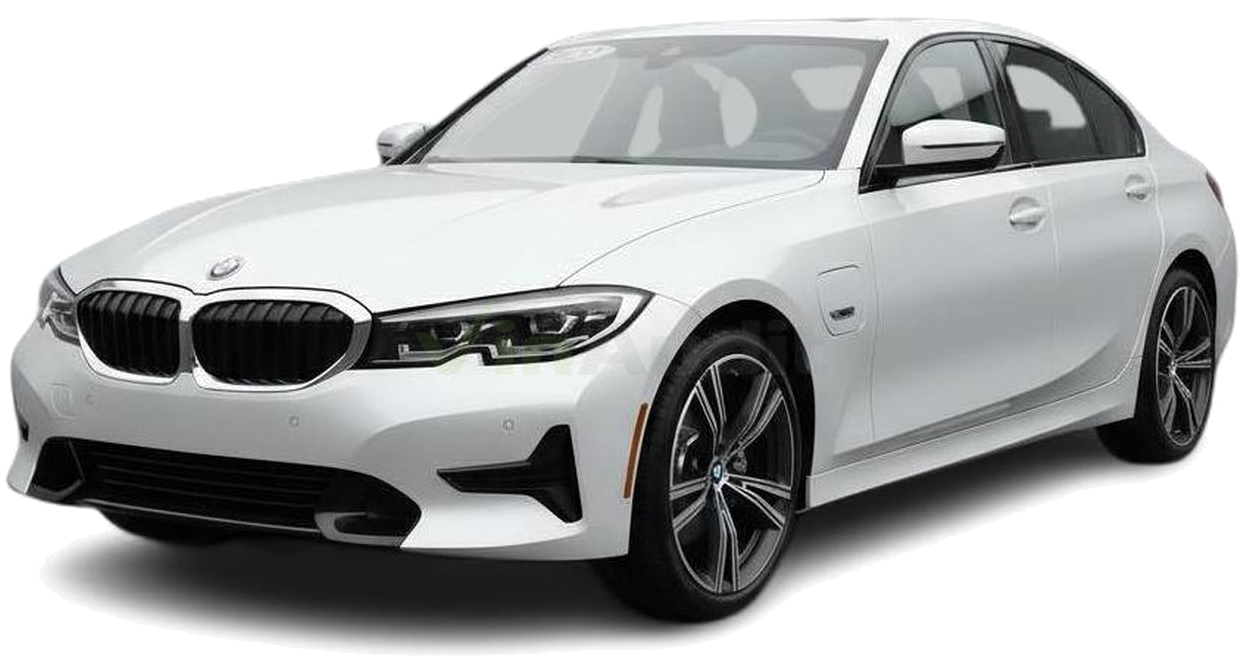
The 2022 BMW 3-Series boasts exhilarating performance and engaging handling, appealing to emotional buyers. Practical buyers appreciate its refined comfort, sleek design, and respectable fuel efficiency, especially with the 330i and 330e models. Its strong reputation and advanced technology contribute to a compelling overall value proposition.
The Bad
Potential weaknesses for the 2022 BMW 3-Series include a firm ride with M Sport suspension, which might be uncomfortable for some. The iDrive system can have a learning curve, and optional features significantly drive up the price. Also, long-term ownership costs, including maintenance and repairs, are typically higher than non-luxury alternatives.
2022 BMW 3-Series: Quick Overview
The 2022 BMW 3-Series offers a compelling array of specifications:
- Engine Options:
- 330i: 2.0-liter Turbocharged Inline-4
- 330e: 2.0-liter Turbocharged Inline-4 with Electric Motor (Plug-in Hybrid)
- M340i: 3.0-liter Turbocharged Inline-6
- M3: 3.0-liter Twin-Turbocharged Inline-6
- Horsepower:
- 330i: 255 hp
- 330e: 288 hp (combined system output)
- M340i: 382 hp
- M3: 473 hp (standard), 503 hp (Competition)
- Fuel Economy (EPA Estimated Combined MPG):
- 330i (RWD/AWD): Approximately 29-30 MPG
- 330e (RWD/AWD): Approximately 28 MPG (gasoline), 75 MPGe (electric) with roughly 22 miles of electric range
- M340i (RWD/AWD): Approximately 25-26 MPG
- M3 (RWD): Approximately 18-19 MPG
- 0-60 MPH Times:
- 330i (RWD/AWD): Approximately 5.3-5.5 seconds
- 330e: Approximately 5.6 seconds
- M340i (RWD/AWD): Approximately 4.1-4.4 seconds
- M3 (RWD): Approximately 4.1 seconds (standard), 3.8 seconds (Competition)
- Towing Capacity: The 2022 BMW 3-Series is generally not rated for significant towing in the U.S. market and is not recommended for such use.
- Key Trim-Level Features (Examples):
- 330i: Standard SensaTec upholstery, 8.8-inch iDrive infotainment, LED headlights, Active Driving Assistant (frontal collision warning, lane departure warning).
- 330e: Adds eDrive modes, hybrid-specific instrumentation, and potential tax incentives.
- M340i: Features M Sport suspension, M Sport brakes, variable sport steering, aggressive M aerodynamic styling, M Sport differential, and a digital gauge cluster.
- Optional Packages (across trims): Premium Package (heated seats, steering wheel, ambient lighting), Executive Package (gesture control, head-up display), Driving Assistance Professional Package (adaptive cruise control, lane-keeping assist).
2022 BMW 3-Series Specifications
Vehicle Information
| Year | 2022 |
| Make | BMW |
| Model | 3 Series |
| Trim | - |
| Style | 330e Sedan RWD 8AT 2.0L I4 |
| Type | Sedan |
| Category | passenger |
Manufacturing Details
| Made In | Germany |
| Manufacturing City | MUNICH |
Dimensions
| Doors | 4-Door |
| Curb Weight | 3660 pounds |
| Gross Vehicle Weight Rating | - |
| Overall Height | 56.3 inches |
| Overall Length | 189.1 inches |
| Overall Width | 71.3 inches |
| Wheelbase Length | 111.6 inches |
| Standard Seating | 5 |
Engine & Performance
| Engine | 2L I4 |
| Engine Size | 2L |
| Engine Cylinders | 4 |
| Transmission | 8-Speed Automatic |
| Transmission Type | Automatic |
| Transmission Speeds | 8-Speed |
| Drivetrain | Rear-Wheel Drive |
Additional Features
| Anti-Brake System | 4-Wheel ABS |
| Steering Type | Rack & Pinion |
Pricing
| Manufacturer Suggested Retail Price (MSRP) | $44,000 |
| Invoice Price | $41,000 |
| Delivery Charges | $995 |
Vehicle History Report
Specifications
History
Events
History Check
Check
Check
Check
Check
Listings
Recalls
Check
Analysis
What Problems Does the 2022 BMW 3-Series Have?
Frequently reported minor issues for early G20 models included occasional software glitches within the iDrive infotainment system, which BMW often addressed with over-the-air updates. Owners might also note some minor interior squeaks or rattles, as well as isolated electrical gremlins with sensors or modules.
Regarding recalls for the 2022 model year, the National Highway Traffic Safety Administration (NHTSA) has listed a few significant ones. These include instances where the headlight beam may not be correctly aimed, potentially reducing visibility. Another recall addressed a rearview camera image display that might not activate, posing a safety risk. A more critical recall involved some vehicles having incorrectly installed fuel tanks, leading to potential fuel leaks and fire hazards. Additionally, some models faced a recall due to a loose connection in the steering rack, which could cause a loss of power steering assist.
Looking at long-term reliability concerns, while modern BMWs have improved, they still demand diligent maintenance. Complex turbocharged engines and sophisticated electronics can lead to costly repairs if service is neglected. Common long-term wear items on high-mileage BMWs can include cooling system components (often plastic), various gaskets prone to oil leaks (e.g., valve cover, oil pan), and suspension bushings. Turbocharger longevity can also be a factor over very high mileage. While initial quality for the G20 3-Series has generally been good, owners should anticipate higher maintenance and repair costs compared to mainstream brands once out of warranty.
How long will the 2022 BMW 3-Series last?
However, weaknesses over time often manifest in complex electronic systems, the cooling system's plastic components, and wear-and-tear items like suspension bushings and engine gaskets (e.g., valve cover gaskets, oil pan gaskets) which can lead to oil leaks. Neglecting these can lead to expensive repairs. The intricate technology, while a strength, can also become a costly point of failure out of warranty. Proactive maintenance is key to maximizing its lifespan and mitigating long-term issues.
What Technology & Safety Features are Included?
Built-in Tech & Entertainment: Standard is BMW's iDrive 7 infotainment system, featuring an 8.8-inch touchscreen (a 10.25-inch screen is optional). This system supports standard Apple CarPlay and Android Auto, ensuring seamless smartphone integration. The BMW Intelligent Personal Assistant, activated by "Hey BMW," allows for voice commands. Optional features elevate the experience, including the Live Cockpit Professional with a 12.3-inch digital instrument cluster, Gesture Control for specific infotainment functions, and a Harman Kardon surround sound system for premium audio.
Driver-Assistance Features: Standard safety includes the Active Driving Assistant, which encompasses frontal collision warning, pedestrian warning with city braking, lane departure warning, and speed limit information. For enhanced safety and convenience, buyers can opt for the Driving Assistance Professional Package. This suite adds advanced adaptive cruise control with stop & go functionality, active lane-keeping assistant with side collision avoidance, extended traffic jam assistant, automatic lane change assist, and front/rear cross-traffic alert. The optional Parking Assistant Plus offers a surround-view camera system, front and rear parking sensors, and automated parking assistance.
Safety Features & Crash-Test Ratings: Beyond the driver-assistance tech, the 3-Series comes with a comprehensive airbag system, anti-lock brakes, dynamic stability control, and traction control. In terms of independent crash test ratings, the 2022 BMW 3-Series performed exceptionally well. The National Highway Traffic Safety Administration (NHTSA) awarded it an overall 5-star safety rating. The Insurance Institute for Highway Safety (IIHS) also gave it high marks, designating it a Top Safety Pick or Top Safety Pick+ when equipped with specific headlights and optional advanced safety features.
What Colors Options are Available?
2022 BMW 3-Series Prices and Market Value
Depreciation for luxury vehicles like the 3-Series is significant in the first few years, often losing 15-25% of its value in the first two years. Factors affecting resale value include mileage, overall condition, desirable options (e.g., M Sport package, premium audio), and service history. Well-maintained cars with clean titles and popular configurations tend to hold their value better, with higher trims like the M340i and M3 often experiencing a slightly slower rate of depreciation percentage-wise due to their performance appeal and exclusivity.
2022 BMW 3-Series Cost of Ownership
Overall, the 2022 BMW 3-Series is a costly vehicle to own in the long term, not an economical choice. Its premium engineering comes with a premium ownership experience.
2022 BMW 3-Series Fuel Efficiency
2022 BMW 3-Series Warranty
Basic
Powertrain
Rust
2022 BMW 3-Series Insurance
reasonable repair costs.
How Does the 2022 BMW 3-Series Compare to Other Sedan?
Performance: The 3-Series, particularly the M340i, often sets the benchmark for driving dynamics, offering a superb balance of power, handling, and driver engagement that few rivals match. The Mercedes-Benz C-Class generally leans more towards comfort, while the Audi A4 provides a refined, all-wheel-drive focused experience but can feel less sporty. The Genesis G70 3.3T offers strong straight-line performance and good value, while the Lexus IS focuses more on reliability and a comfortable ride, with less potent engine options than the M340i. The Cadillac CT4 boasts a good chassis but can lack interior refinement.
Features: BMW's iDrive 7 system is intuitive and feature-rich, providing a great user experience. The C-Class excels with its opulent interior and advanced MBUX infotainment. Audi's A4 offers a high-quality cabin with the acclaimed Virtual Cockpit. Genesis G70 provides excellent value with many standard features, whereas the Lexus IS, while reliable, features older infotainment tech.
Reliability: Lexus IS traditionally leads in reliability ratings, followed by Genesis and Audi. BMW has improved significantly, but long-term maintenance and repair costs can still be higher than Japanese rivals.
Price: The 3-Series is competitively priced within the segment, though optioning it up can quickly escalate the cost. The Genesis G70 often presents a compelling value proposition, offering luxury and performance at a lower entry price.
Alternatives:
- For those prioritizing an even more engaging and passionate driving experience, consider the Alfa Romeo Giulia.
- For a blend of luxury, comfort, and advanced infotainment, the Mercedes-Benz C-Class is a strong contender.
- If all-weather capability and a high-quality, tech-laden interior are key, the Audi A4 is an excellent choice.
- For exceptional long-term reliability and a plush ride, the Lexus IS remains a solid pick.
- The Genesis G70 3.3T offers remarkable performance and luxury value, making it a strong alternative to the M340i.
Final Verdict: Is the 2022 BMW 3-Series a Good Sedan?
It is absolutely worth buying for the right individual. For maximum customization and the full factory warranty, buying new is excellent. However, a used 2022 model, perhaps two years old, represents superb value, offering significant depreciation savings while still having much of its factory warranty intact. The 330i trim is the sweet spot for most, balancing performance and efficiency. The 330e suits those wanting plug-in hybrid benefits, while the M340i is for enthusiasts desiring near-M performance. Be prepared for higher long-term ownership costs compared to non-luxury vehicles; diligent maintenance is crucial for longevity.

Drew B
Drew is a seasoned automotive expert and contributor to VinCheck.info. With nearly 15 years of experience as a former Porsche technician, he brings a wealth of hands-on knowledge to his writing. Born in North Carolina, a region renowned for its deep-rooted NASCAR culture, Drew developed a passion for cars early in life, often building and working on vehicles from a young age. At VINCheck, Drew leverages his extensive technical background to provide in-depth analyses of various vehicles. His articles often focus on engine performance, reliability, and maintenance insights, offering readers practical information grounded in real-world experience. Some of his notable contributions include reviews on the Mazda CX-5's longevity and detailed examinations of engine options for models like the 2011 Toyota Camry and Tacoma